
A home gym does not need a spare room filled with expensive machines. The most useful home gym setup ideas begin with understanding how you actually like to move. A small, reliable setup can encourage more consistency than a complicated room you avoid. Start by considering when you usually exercise and what gets in your way. Maybe you need less setup time, better storage, or a little more privacy. Your space should remove friction instead of adding new decisions. A few well-chosen pieces can support strength, mobility, cardio, and recovery. Good layout makes the area feel inviting even on low-energy days. Build around your habits first, then improve the details gradually. A realistic setup is the one that will keep working long after the first burst of motivation.
Your workout space should support the kind of movement you want to repeat. Think about whether you prefer lifting, yoga, cycling, dance, mobility, or simple bodyweight sessions. Each routine needs a different amount of floor space and storage. A clear purpose keeps you from buying equipment that looks impressive but goes unused. Start with a home fitness corner that is easy to access during your normal day. Place it near where you already spend time whenever possible. A convenient setup reduces the mental effort required to begin. Keep the first version simple enough to maintain. You can always expand after your habits become consistent. Your routine should shape the room, not the other way around.
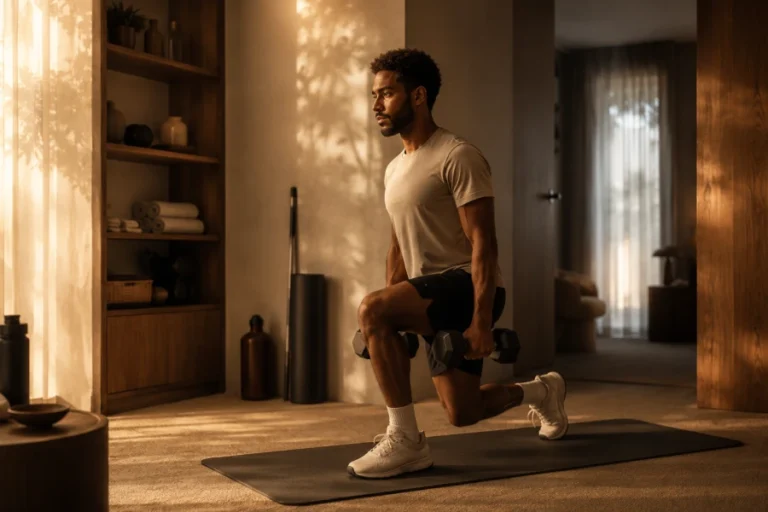
Open floor space is one of the most valuable features in any workout area. You need room to stretch, step, squat, and move without constantly adjusting furniture. Measure before buying mats, benches, or large equipment. Even a narrow area can work when it stays uncluttered. Clear pathways also make the space feel safer and more inviting. Use wall storage or vertical shelves to protect the active zone. Consider compact exercise equipment when square footage is limited. Adjustable dumbbells, resistance bands, and foldable benches can provide flexibility without taking over the room. Keep one area fully open for bodyweight movement. That open space often becomes the most-used part of the setup.
Visible clutter can make a workout space feel harder to use. Give each item a clear home so setup and cleanup take only a few moments. Baskets work well for bands, straps, towels, and small recovery tools. Wall hooks can hold jump ropes, mats, and lightweight accessories. A low shelf can organize weights without making the area feel heavy. Explore workout storage solutions that match the room’s existing furniture. Keeping equipment contained helps the rest of the home feel calmer. It also makes starting a session less intimidating. You should be able to find what you need without searching. An organized setup supports the habit before the workout even begins.
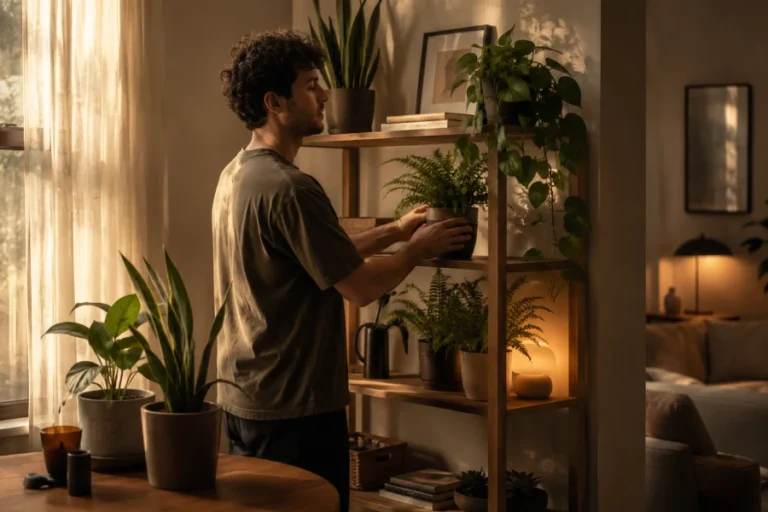
The atmosphere of your space affects whether you want to return to it. Natural light can make morning workouts feel easier and more energizing. Warm lamps can create a comfortable setting for evening stretching or mobility work. Keep harsh overhead lighting from becoming the only option. A small speaker, fan, or open window can also improve the experience. Choose music and lighting that match the type of movement you enjoy. You do not need a dramatic transformation to change the room’s energy. Even one pleasant lamp can make the space feel more intentional. Consider visual distractions as well. A clear view, a plant, or a simple piece of art can make the room more welcoming. Design details support motivation when they make the space feel like yours.
Apartment workouts require a little more planning around sound and shared walls. Low-impact equipment can still create an effective training routine. Resistance bands, adjustable weights, mats, and sliders offer variety without much noise. A thick mat can reduce vibration and protect flooring. Keep equipment close to the wall or furniture when not in use. Try an apartment gym layout that can shift easily between exercise and daily life. Foldable pieces give you flexibility without sacrificing function. Focus on the movements that fit your building and schedule. You do not need every machine to make meaningful progress. A compact space can still support a complete routine.
A workout area should feel ready without requiring a long reset. Return equipment after every session so the next workout starts smoothly. Keep a towel, water bottle, and cleaning spray nearby. Replace worn bands or damaged mats before they become frustrating. Review what you actually use every few months. Remove anything that creates clutter without adding value. Let the room evolve as your goals change. Small improvements often make a bigger difference than one large purchase. A well-maintained space sends a quiet signal that your time matters. When the area stays ready, movement becomes easier to choose. That consistency is what turns a home gym into a lasting part of your routine.


Leave a comment