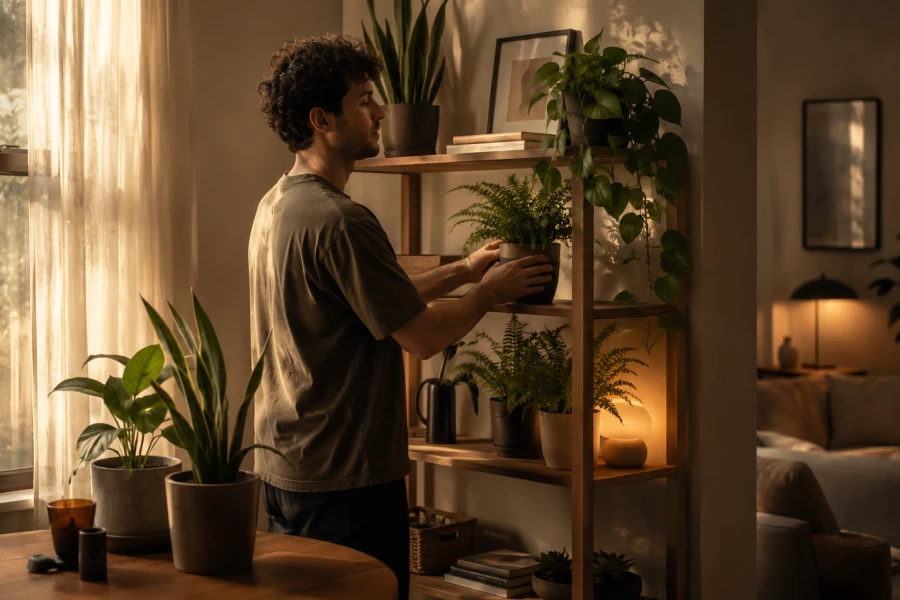
Plants can make a home feel more alive before they change anything else. The best houseplants for indoor air quality bring color, texture, and a sense of daily care into rooms that feel static. Their real value often begins with how they encourage people to notice light, humidity, and airflow. A leafy corner can soften hard furniture and make a room feel less sterile. Thoughtful plant choices also help you build a more calming routine around your home. Focus on varieties that suit your light conditions and schedule. A healthy plant is always more useful than a demanding one you cannot maintain. Start small, learn what works, and add more greenery slowly. Your home will feel more personal with every well-placed plant. Freshness often starts with a living detail you enjoy caring for.
Greenery changes the visual rhythm of a room almost immediately. Leaves interrupt flat surfaces and add a softer, more natural shape. A plant near a reading chair can make the area feel more intentional. A trailing variety on a shelf can bring height and movement to a plain wall. Try bedroom-friendly houseplants when you want a quieter, more settled atmosphere near your daily routine. Choose leaves that suit the room’s scale and existing colors. Broad foliage can feel bold and modern. Small, detailed leaves can add a lighter touch. The goal is not filling every surface with plants. A few healthy specimens usually make the strongest impression.
Every successful plant collection begins with honest light assessment. Watch where sunlight falls during different parts of the day. A bright windowsill needs a different plant than a shaded shelf. Measure your willingness to water, rotate, prune, and repot. Those habits matter more than a plant’s popularity online. Thoughtful apartment plant placement prevents frustration before it starts. Keep high-light plants close to windows but away from extreme heat. Reserve darker corners for varieties known to tolerate softer conditions. Group plants with similar needs when possible. This makes care easier and creates a more cohesive display. The right location gives your greenery the best chance to thrive.
Living rooms, bedrooms, kitchens, and entryways each invite a different kind of greenery. A tall floor plant can anchor an empty corner near a sofa. A compact pothos or philodendron can soften a bookcase without using much space. Kitchen shelves may suit herbs or small leafy varieties with good light. Focus on low-maintenance indoor greenery if you are building confidence with plants. Start with two or three varieties rather than an entire collection. This lets you understand the rhythm of watering and light. Healthy leaves always look better than an overcrowded display. A gradual approach creates a home that feels naturally layered.
Plant selection needs extra attention in homes with curious cats or dogs. Some common houseplants can be unsafe when chewed or knocked over. Place delicate varieties well out of reach whenever possible. Use sturdy planters that will not tip easily on furniture or floors. Research pet-conscious plant choices before bringing anything new into shared spaces. Hanging planters can create visual interest while keeping leaves elevated. Closed cabinets with grow lights may also work for small collections. Pay attention to spilled soil, water trays, and fallen leaves. A safe setup protects both your plants and your pets. Good design should make the room easier to enjoy for everyone.
Plants thrive when their care routine stays simple and repeatable. Check soil moisture before watering instead of following a rigid calendar. Rotate pots occasionally so growth remains balanced. Wipe dust from broad leaves to help them look their best. Trim yellowing foliage before it makes the display feel neglected. Use a consistent pot style if you want several plants to feel connected. Keep a small tray of basic supplies nearby for easy maintenance. Natural light, moderate watering, and patience solve more problems than constant adjustments. Notice changes early, then respond calmly. A routine that feels manageable will keep your collection healthier over time.
Plants are most successful when they feel integrated into the room, not added at the last minute. Match planters to the textures already present in your home. Ceramic works well in polished spaces, while baskets add warmth to casual rooms. Use different heights to create a balanced composition. Let one larger plant provide structure, then add smaller companions nearby. Avoid placing every plant against the same wall or at the same level. A little variation makes the arrangement look collected and personal. Consider the view from your favorite chair or from the entryway. That perspective helps you place greenery where it will bring the most enjoyment. Over time, each thriving plant becomes part of your home’s character.



Leave a comment