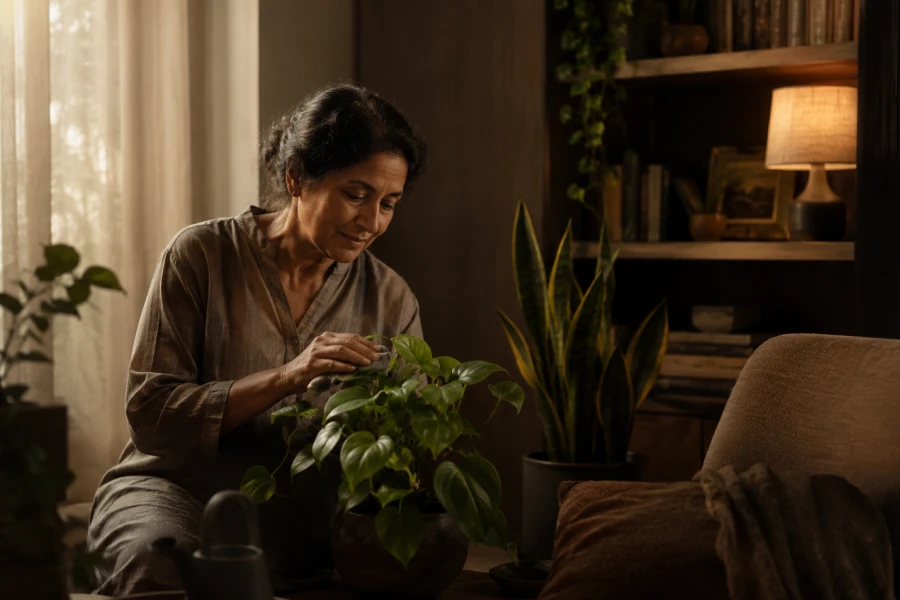
Not every room is filled with direct sunshine, but every room can benefit from a little life. Low-light plants for fresher indoor spaces make it easier to bring greenery into shaded bedrooms, hallways, offices, and apartments. These plants are especially useful when your windows face another building or receive only gentle daylight. The goal is choosing varieties that fit the conditions you already have. A thriving plant always looks better than a demanding one struggling in the wrong location. Start with a few resilient options and notice how they respond. You can build a more natural home without turning plant care into a second job. Small routines create the healthiest collections. The result is a home that feels softer, calmer, and more connected to everyday life.
Low-light tolerant plants make overlooked areas feel more inviting. A quiet hallway can gain personality from one tall floor plant. A shaded desk can feel more pleasant with a small leafy companion. These choices help soften spaces that would otherwise feel flat or purely functional. Focus on plants with sturdy leaves and adaptable care needs. A well-positioned pot can create a visual pause between furniture pieces. Try healthier home plant styling when you want greenery to feel integrated instead of random. Keep the arrangement simple enough to maintain. Place the plant where you will enjoy seeing it daily. The visual benefits often start the moment the room gains a living shape.
Low light does not mean complete darkness. Most plants still need some ambient daylight from a window or nearby room. Before buying anything, observe where sunlight reaches during the day. A location several feet from a window may be low light. A room with no natural light may require supplemental growing conditions. Choose indirect-light houseplants for spaces that receive gentle brightness without direct rays. Avoid placing plants in deep corners with no real daylight. Rotate them when necessary so growth stays balanced. Your observations matter more than the label on the plant. Matching conditions to care needs is the simplest way to avoid disappointment.
Snake plants, ZZ plants, cast iron plants, and certain philodendrons are often dependable choices. Their structural leaves can bring form and texture to a subdued room. Choose a plant size that matches the available space. A tall variety can make a low ceiling feel more intentional. A compact option may be better for desks, shelves, or narrow entry tables. Do not overwater simply because a plant is indoors. Low-light conditions usually mean the soil dries more slowly. Check moisture below the surface before adding more water. Keep leaves free of dust so they maintain a healthy appearance. Consistency will always produce better results than constant intervention.
Plant care works best when it fits into routines you already keep. Pair watering checks with laundry day, weekend cleaning, or a weekly reset. Keep tools nearby so the task feels easy to begin. A small cloth, watering can, and drainage tray cover most basic needs. Pay attention to leaves rather than relying only on dates. Drooping, yellowing, or curled foliage often offers useful information. Look into resilient indoor foliage when you want choices that support a less complicated care rhythm. Healthy habits beat elaborate systems every time. Give plants time to adjust after moving them. Steady care creates the best long-term results.
Planters influence both the look and health of your greenery. Pots with drainage help prevent roots from sitting in excess water. A saucer protects furniture while keeping care practical. Choose materials that suit your decor but also feel easy to lift and clean. Ceramic can feel refined, while lightweight pots work well on shelves. Consider the room’s scale before selecting an oversized planter. The pot should support the plant without making the area feel crowded. Neutral containers allow leafy texture to take center stage. A repeated planter finish can connect several rooms visually. Good containers make plant care easier and styling more cohesive.
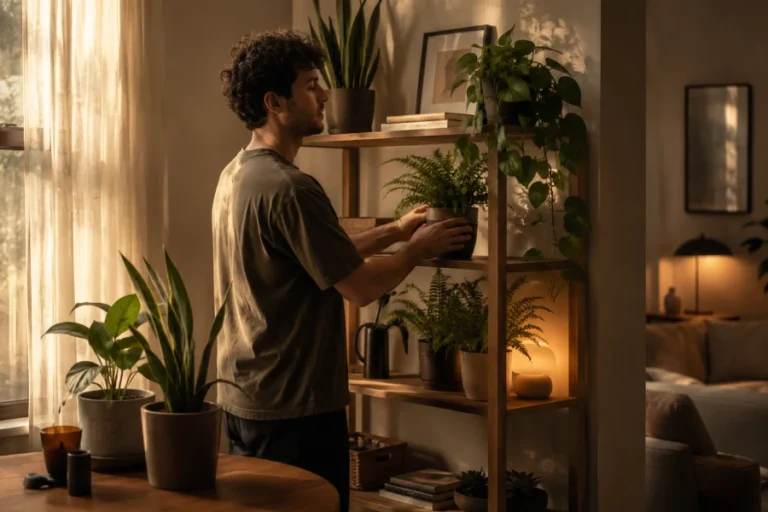
Greenery looks most natural when it appears in more than one part of the home. Place one plant near a seating area, another by a desk, and a smaller one in a bedroom. Vary the height and leaf shape to keep the display interesting. Avoid lining every plant along one wall at the same level. Let each piece respond to the room around it. A restrained arrangement often feels more elevated than an overflowing collection. Use open space as part of the composition. Give leaves room to cast small shadows and create texture. Your home will feel fresher when the greenery looks settled rather than staged. A few well-loved plants can make a remarkable difference.


Leave a comment